
Sewer Scope Inspection: The Slow Drain That Became A $7,500 Problem
A buyer in Union called us last year about a home she was under contract on, an attractive brick ranch built in the 1960s with a recently updated kitchen and a finished basement. Everything above ground looked great. During our visit, a sewer scope inspection revealed a badly cracked clay tile line with root intrusion running most of its length. What looked like a move in ready property came with an underground repair bill that ran well past seven thousand dollars once excavation and pipe replacement were factored in.
Why This Service Exists
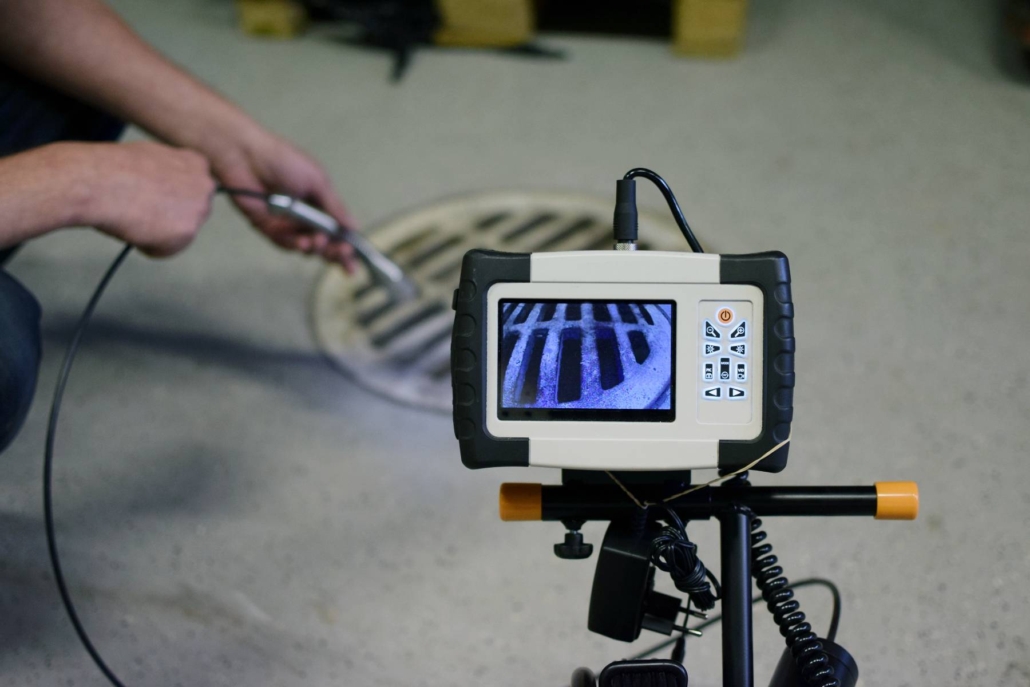
A sewer scope inspection sends a flexible camera through an accessible cleanout or drain opening and guides it along the length of the pipe connecting the home to the municipal sewer main. The live video feed shows cracks, offset joints, root intrusion, corrosion, and bellied sections where the line has settled and started collecting debris. None of this is visible from inside the home or during a standard walkthrough, which is exactly why this service exists as a separate add on.
Why Older Union Area Homes Face Added Risk
Homes built before the 1980s throughout Union, Boone County, and much of the surrounding region often have clay tile or cast iron sewer lines, both of which degrade steadily with age. Clay pipe joints separate over time, and mature trees planted decades ago now have root systems that actively seek out the moisture inside these pipes. Scoping a home of this age frequently reveals problems that would otherwise go unnoticed until a backup actually occurs.
How A Slow Drain Became A Big Problem
In this case, the buyer mentioned that a previous walkthrough had noted slightly slow drainage in one bathroom, something the listing agent had dismissed as normal for an older home. The camera told a different story. The clay tile line had been slowly failing for years, with root intrusion narrowing the pipe’s usable diameter at multiple points along its length. Left unaddressed, this kind of gradual damage typically ends in a full backup, at which point the repair becomes an emergency rather than a planned expense.
What Homeowners And Buyers Should Watch For
According to the EPA’s overview of sanitary sewer overflows, aging and deteriorating sewer infrastructure is one of the leading contributors to backups and overflows nationwide, a pattern that applies just as much to private lateral lines as it does to municipal systems. Slow drains, gurgling sounds, and recurring clogs are all signs worth taking seriously rather than dismissing as quirks of an older home.
Why This Service Pays For Itself
A full sewer line replacement can run into the thousands of dollars once excavation, pipe replacement, and landscape restoration are all factored in. A sewer scope inspection costs a small fraction of that and turns an invisible risk into a documented, negotiable finding. For buyers, this often means the difference between negotiating repair credits before closing and discovering the same problem as a new homeowner with no leverage left.
Who Should Schedule This Service
Buyers purchasing any home built before 1990 are strong candidates, as are properties with large trees near the likely path of the sewer line. Current homeowners who have noticed slow drains or recurring clogs should also consider this service before calling a plumber for another round of temporary snaking that treats the symptom rather than the cause.
Don’t let a slow drain become someone else’s seven thousand dollar story. Schedule Your Inspection and add a sewer scope inspection to your visit.
Frequently Asked Questions
How long does a sewer scope inspection take? Most visits run between thirty minutes and an hour, depending on the length of the line and how many access points are available for the camera.
Is a sewer scope inspection worth it on a newer home? It carries less urgency for homes built in the last two or three decades, though it is still worth considering if large trees sit near the sewer line’s likely path or if drainage has ever seemed slow.
What happens if the inspection finds a problem? The report documents the exact location and severity of the issue, giving buyers real information to negotiate repairs and giving homeowners a basis for planning future work.
Can this be scheduled alongside a full home inspection? Yes. It is commonly added to a full residential inspection visit, saving a separate trip and giving you a complete picture of the property in one report.
Union Home Inspection proudly serves Union, Northern Kentucky, and Southwest Ohio with sewer scope inspections, residential inspections, radon testing, and termite inspections.

Leave a Reply
Want to join the discussion?Feel free to contribute!